
Research on the gut microbiome has exploded over the past decade, revealing important connections between gut health and nearly every major body system—including the brain, liver, metabolism, kidneys, skin, and even reproductive health. While scientists are still uncovering exactly how these relationships work, one thing is becoming increasingly clear: maintaining a healthy microbiome is fundamental to overall health.
Several emerging therapies show promise for restoring balance to the gut and supporting the body’s natural healing processes. Here are three of the most exciting developments.
Spore-based Probiotics
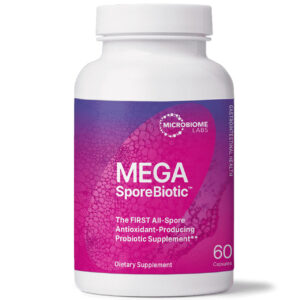
Unlike traditional probiotics such as Lactobacillus and Bifidobacterium, spore-based probiotics do not permanently colonize the digestive tract. Instead, they provide a temporary, beneficial influence while helping create an environment that supports a healthier microbiome. Most spore-based probiotics contain Bacillus species.
One of their greatest advantages is durability. Because these bacteria exist in dormant spore form, they do not require refrigeration and can survive stomach acid. They become activated when they reach the small intestine, where bile salts trigger them to germinate and begin exerting their beneficial effects.
Research suggests that spore-based probiotics may help strengthen the intestinal barrier, support immune function, and reduce inflammation within the digestive tract. They appear to be especially helpful for individuals with diarrhea-predominant irritable bowel syndrome (IBS).
A 2023 NIH-supported meta-analysis found improvements in:
- Bloating
- Abdominal pain
- Bowel movement frequency
More recent research published in 2025 suggests that certain spore-forming bacteria may also:
- Produce natural antimicrobial peptides
- Help regulate immune signaling
- Compete with harmful bacteria
- Reduce inflammatory cytokines
These findings are encouraging for individuals struggling with gut dysbiosis, chronic inflammation, or food sensitivities.
Who May Benefit?
Current clinical evidence is strongest for people with:
- Irritable bowel syndrome (IBS)
- Functional dyspepsia
- Increased intestinal permeability (“leaky gut”)
- Recent antibiotic use
- Long-term use of proton pump inhibitor (PPI) medications
Who Should use Caution?
Because spore-based probiotics can influence immune activity, individuals receiving chemotherapy or taking immunosuppressive medications should consult their healthcare provider before using them.
In addition, certain Bacillus strains, including some strains of Bacillus subtilis, are capable of producing histamine. Individuals with histamine intolerance or mast cell activation disorders may be better served by selecting strains that do not produce histamine.
Interestingly, emerging research also suggests that some spore-based probiotics may help lower triglyceride levels and improve markers of fatty liver disease. Since elevated triglycerides are often an early sign of insulin resistance, these findings may have important implications for metabolic health.
How to Take Them
Because spore-based probiotics can temporarily change the balance of bacteria in the gut, it is generally best to start slowly. Begin with one capsule every other day, gradually increasing to once daily and, if recommended by your healthcare practitioner, up to twice daily.
Most products provide between 1 and 5 billion CFUs per serving, although higher doses are sometimes used clinically.
Since long-term safety studies are still limited, many practitioners recommend using spore-based probiotics for approximately three to six months before reassessing the need for continued supplementation.
Butyrate: Fuel for a Healthy Colon
Butyrate is one of the most important compounds produced by a healthy gut microbiome. It is a short-chain fatty acid created when beneficial bacteria ferment dietary fiber in the colon.
Far more than just a byproduct of digestion, butyrate serves as the primary fuel source for the cells lining the colon, supplying up to 70% of the energy they need for growth, repair, and maintenance of a healthy intestinal barrier.
Research suggests that healthy butyrate levels may:
- Help regulate inflammation
- Support healthy body weight
- Strengthen immune function
- Improve metabolic health
- Promote restful sleep
- Support cardiovascular health
Foods that Support Butyrate Production
Although butyrate itself is found naturally in small amounts in foods such as:
- Butter
- Ghee
- Whole-fat milk
- Cheese
the majority of the butyrate in our bodies is produced by beneficial gut bacteria.
The best way to increase butyrate production is by eating foods rich in prebiotic fibers that nourish butyrate-producing bacteria.
Excellent choices include:
- Bananas
- Asparagus
- Jerusalem artichokes
- Garlic
- Onions
- Chicory root
- Beets
- Oats
- Barley
- Rye
- Brown rice
- Nuts and seeds
- Seaweed
- Soy foods
- Dark chocolate
Regularly including a variety of these foods in your diet helps encourage the growth of beneficial bacteria that naturally produce butyrate.
Peptides for Gut Health
Peptide therapy is one of the fastest-growing areas of regenerative medicine, and interest in its potential role in digestive health continues to grow.
Peptides are short chains of amino acids that act as signaling molecules throughout the body. Certain peptides appear to promote tissue repair, regulate inflammation, and support healing.
Two peptides that have attracted significant attention for gut health are:
- BPC-157
- KPV
BPC-157 is a synthetic peptide derived from a naturally occurring protein found in gastric juice. Preliminary animal and early human research suggest it may support repair of the stomach and intestinal lining, making it a potential option for conditions involving damage to the gastrointestinal mucosa, such as ulcers or chronic irritation associated with long-term PPI use. However, robust clinical trials in humans are still lacking.
KPV is a naturally occurring fragment of the alpha-melanocyte-stimulating hormone (α-MSH). Early research suggests it may help calm inflammatory immune responses within the digestive tract, making it an area of interest for inflammatory bowel conditions and other disorders involving excessive gut inflammation. As with BPC-157, human clinical research is still evolving.
The regulatory landscape surrounding compounded peptides continues to evolve, and availability may change over time. Anyone considering peptide therapy should do so under the guidance of a qualified healthcare professional.
The Bottom Line
The science of the microbiome is advancing rapidly, providing new insights into how gut health influences nearly every aspect of wellness. While many of these emerging therapies – including spore-based probiotics, butyrate supplementation, and gut-directed peptides – show considerable promise, they work best as part of a comprehensive approach that includes a nutrient-dense diet, adequate fiber intake, quality sleep, regular physical activity, and effective stress management.
As research continues to evolve, these tools may become increasingly valuable for restoring digestive health and supporting long-term wellness.