

It happens to all of us—we go, go, go until stress finally catches up with us. Maybe it shows up as feeling overwhelmed, anxious, exhausted, irritable, or simply lacking the energy to get through the day. While occasional stress is a normal part of life, prolonged or poorly managed stress can take a toll on the body.
Stress can affect virtually every body system, including digestive, hormonal, metabolic, cardiovascular, and nervous system health. And stress isn’t just emotional. Physical stress from injury, illness, poor nutrition, inadequate sleep, overexercising, and other demands on the body all contribute to our overall stress load.
The Goal: Managing Stress before it becomes a Bigger Problem
Stress has become so normalized in our culture that many people underestimate how much they are actually carrying. You may not consider yourself “stressed,” yet you may be relying on caffeine to get through the day, having trouble sleeping, feeling unusually tense, or finding that you don’t have the energy you once did.
One of the best strategies is to address stress before it becomes overwhelming. Having a few supportive tools available can help you respond to periods of increased stress rather than waiting until you feel completely depleted.
There are many nutritional and natural approaches that may provide support, including herbs, adaptogens, amino acids, minerals, homeopathic remedies, essential oils, and flower essences. The best choice, however, depends on the type of stress you are experiencing and your individual situation.
For Intensive Stress
When stress persists for weeks or months, the goal is not simply to “calm down.” It is to support the body’s ability to adapt to ongoing demands and build greater stress resilience.
Some commonly used nutritional and herbal options include:
- Ashwagandha
- Phosphatidylserine
- Magnolia bark
- Magnesium glycinate
- Adaptogenic herbs
If you are experiencing significant or persistent stress, it may also be appropriate to discuss whether laboratory testing or evaluation by your healthcare provider would be helpful.
Adaptogens for Ongoing Stress
Adaptogens are a group of herbs traditionally used to help the body adapt to physical and emotional stress.
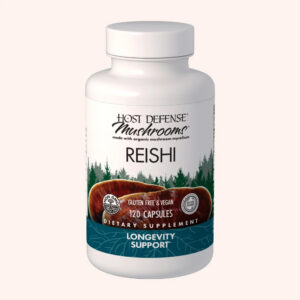
They can be particularly useful during periods when you know your stress level is likely to remain elevated—for example, an extended work project, caring for a family member, major travel, or other prolonged life challenges.
Examples include:
- Reishi
- Cordyceps
- Rhodiola
- Ashwagandha
Because adaptogens can have meaningful effects on the body, they aren’t necessarily appropriate for everyone. Choosing the right one—and the right dose—is important.
For Acute Anxiety or Tension
For occasional periods of nervousness or tension, some people find support from:
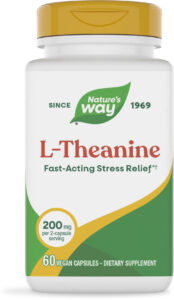
- L-theanine
- Magnesium glycinate
- GABA
- Valerian
- Kava
- Calming herbal combinations
There are also homeopathic combinations designed to provide support during periods of occasional or ongoing stress.
Favorite Gentle Stress Supports
For occasional stress, I often start with gentler options and adjust from there depending on the individual.
Calming herbs can include:
- Lemon balm
- Chamomile
- Passionflower
- Lavender
- Holy basil
- Skullcap
Liquid formulas may provide more immediate support, while capsules or tablets may provide longer-lasting effects. Gummies and other convenient formats can also be useful for occasional stress.
Flower essences and essential oils are another option, particularly for people who are looking for gentle support for emotional and mental well-being that will not conflict with medications.
Essential Oils and Flower Essences for Calm:
- Calling All Angels Spray
- Five Flower Essence
- Calm and Clear Essence
- Luna Delgado Botanicals: Cultivate Bliss, Restore and All is Well
- Abund Essence
Supplements are not One-Size Fits All
This is one of the most important things to understand about using supplements for stress: more is not necessarily better, and the same supplement that works well for one person may not be the right choice for another.
Your individual health history, symptoms, age, other supplements, and medications all matter when deciding what to take. Some herbs and nutrients can interact with prescription medications or may not be appropriate for certain health conditions.
That is why choosing supplements from a knowledgeable source is so important.
Our staff is experienced in helping customers navigate the many options available for stress support. Rather than simply recommending a popular product, we can help you determine which ingredients and formulas make the most sense for your particular situation, goals, and needs. If you take prescription or over-the-counter medications, we can also check for potential supplement-medication interactions using a professional database before you begin a new product.
Don’t Wait Until Stress Takes Over!
The key to managing stress is to address it before it gets out of control. We often think we’re handling stress well—until suddenly we have trouble sleeping, get sick, experience an accident or injury, or find ourselves unable to make it through the day without caffeine or other stimulants.
Pay attention to the early signs. Supporting your body during periods of increased stress may help you maintain better resilience and prevent temporary stress from becoming a much bigger problem.